THE SOUND OF WINGS – TÕNU KÕRVITS

THE SOUND OF WINGS – TÕNU KÕRVITS

A Soaring Tribute

Barbara Clark, November 2023

Tõnu Kõrvits, the Estonian composer known for his evocative compositions, takes flight once again in his latest opus, “The Sound of Wings” (2022). This profound work, the third installment in a trilogy for chorus and string orchestra, explores the enigmatic and daring life of aviation pioneer Amelia Earhart. Kõrvits, alongside the Estonian Philharmonic Chamber Choir, Tallinn Chamber Orchestra, and conductor Risto Joost, delivers a captivating musical narrative that delves into themes of courage, life, death, and loss through the lens of Amelia Earhart’s extraordinary journey.

The album begins with the instrumental prelude “On the line…,” where the viola’s poignant melody acts as a recurring anchor throughout the composition. This introductory piece is reminiscent of the contemplative works of Vaughan Williams, setting a reflective mood that echoes the introspective nature of the subsequent movements. The nine-part structure unfolds with distinct sections, each exploring different facets of Earhart’s life and legacy.

“Running North and South…” follows, an instrumental interlude that bridges the narrative. The subsequent parts continue to unveil the story with titles like “The Touch of Your Hand,” “In the Currency of Courage,” and “Thus Speaks the Heart.” Kõrvits’s musical language beautifully captures the emotional layers of Earhart’s journey, ranging from intimate feelings to the price of courage and endeavor.

Part IV, “One Love,” is a standout moment, with alto Marianne Pärna’s solo voice seamlessly intertwining with the wordless chorus, creating a deeply moving aria that touches the heart. In “Lighthouse” (Part VI), the search for Howland Island’s guiding light is depicted through both the music and lyrics, conveying a sense of both anticipation and loneliness.

The celestial navigation of “The Star Stream” (Part VII) brings shimmering stars to life with a four-voice canon of soprano and alto soloists, a truly magical sonic moment. Part VIII, “Over Looking Glass Water,” delves into the element where Earhart and her navigator vanished, making it one of the most contemplative segments in the composition.

As the journey culminates in Part IX, Kõrvits masterfully weaves recurring motifs and phrases, including the titular “tiibade hääl” (the sound of wings), tying the work together thematically. The concluding moments build to an ecstatic climax, with the choir, orchestra, and solo soprano (Mariliis Tiiter) soaring to new heights while the meditative viola gently fades away.

Kõrvits’s skillful command of both instrumental and choral writing shines throughout “The Sound of Wings.” His ability to create a textured musical landscape, along with the interplay of recurring musical and verbal motifs, reinforces the composition’s structural integrity. The performance on this recording is impeccable, with Laur Eensalu’s viola playing a vital role, the Estonian Philharmonic Chamber Choir delivering outstanding vocals, and the Tallinn Chamber Orchestra providing unwavering support under the direction of Risto Joost.

The album’s concluding piece, “Pühapäevasoov – Sunday Wish,” offers a heartfelt encore, a short song originally composed for female voices and later arranged for soprano, female voices, and strings. Mariliis Tiiter’s soprano performance adds a final touch of emotional resonance, drawing the album to a poignant close.

In “The Sound of Wings,” Tõnu Kõrvits pays tribute to Amelia Earhart’s courageous spirit, creating a multi-dimensional sonic experience that traverses the skies of emotion and imagination. This album is a testament to Kõrvits’s prowess as a composer and orchestrator, as well as the exceptional talents of the performers involved. “The Sound of Wings” stands as a captivating musical journey that commemorates the life and legacy of a pioneering aviator through the power of sound and emotion.
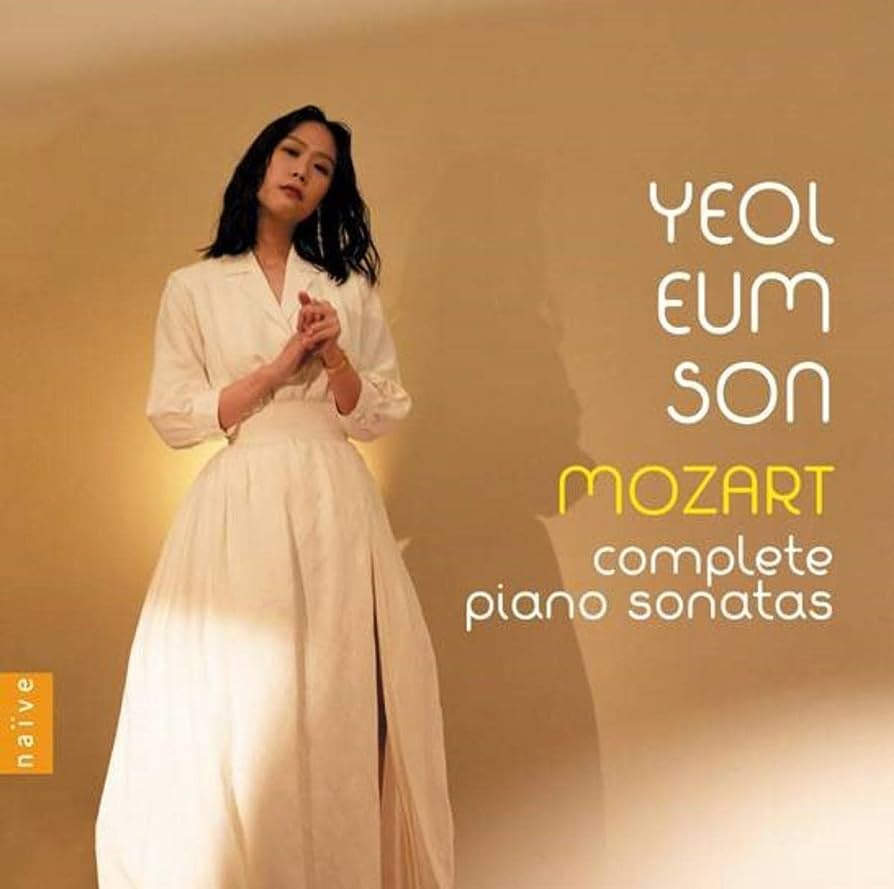
MOZART COMPLETE SONATAS – YEOL EUM SON

MOZART COMPLETE SONATAS – YEOL EUM SON

Elegance and Precision

Mark Jordan, October 2023

Yeol Eum Son’s interpretation of Mozart’s Complete Piano Sonatas is a refined showcase of her technical prowess and innate artistry. Known for her intricate shading and diverse palette, as evidenced in her previous recordings, Son once again delivers a performance that displays her command over the keyboard and her sensitivity to the nuances of Mozart’s compositions.

From the outset, it’s clear that Son’s attention to detail and meticulous craftsmanship shape her renditions. In pieces like the F major K. 280 Allegro assai, she masterfully navigates through variations in sonority and embellishments, each note precisely articulated. The G major K. 283 Presto is imbued with a rhythmic liveliness, and the F major K. 332 Allegro assai is marked by cascading runs and a notably robust left-hand presence.

Even the seemingly straightforward “easy” pieces, such as the C major K. 545, are treated with reverence. Son’s consideration of balance between hands in the first movement’s second subject exemplifies her commitment to extracting the full depth of each composition.

Where Son truly shines is in her interpretation of slow movements. The harmonic sensitivity she brings to pieces like K. 279, K. 533/494, and K. 333 is striking, and her deft phrasing carries gracefully across barlines, creating an entrancing narrative quality.

However, not all moments of the collection receive the same level of engagement. Some finales come across as lackluster and somewhat square. Comparatively, Son’s readings of the C major K. 330 Allegretto and B-flat major K. 333 Allegretto grazioso lack the dynamic inflections found in other notable performances. Her approach contrasts with the vitality of pianists like Maria João Pires and the inventiveness seen in Roberto Prosseda and Robert Levin’s interpretations.

Son’s take on the iconic A major K. 331 Rondo alla Turca, while competent, lacks the grandeur and passion exhibited by Murray Perahia. Similarly, her calculated pauses in the D major K. 576 Allegro raise questions about their expressive intent.

It’s notable that Son opts to exclude the introductory C minor Fantasy K. 475 from the C minor K. 457 sonata, aligning with a recent trend seen in Mao Fujita’s Mozart cycle. This choice may divide listeners who appreciate the Fantasy’s emotional context within the sonata.

In a crowded field of Mozart interpretations, Yeol Eum Son’s cycle competes with well-established catalog recordings. While her performances may not eclipse the likes of other acclaimed pianists, her finest moments within this collection offer a glimpse of her musical finesse and the depth of her interpretation. Her meticulous approach, coupled with moments of emotional resonance, makes this a Mozart collection that invites both admiration and reflection.

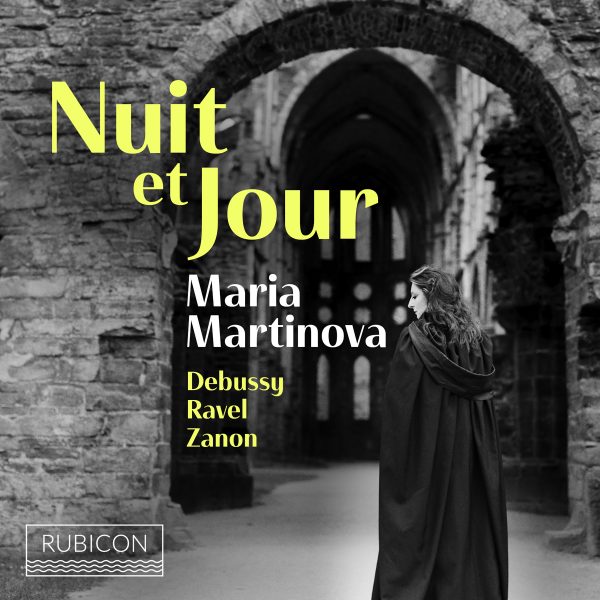
NUIT ET JOUR – MARIA MARTINOVA

NUIT ET JOUR – MARIA MARTINOVA

A Bold Exploration of French Piano Repertoire

Sarah Dunlop, October 2023

Bulgarian pianist Maria Martinova delivers a captivating performance in her album “Nuit et Jour,” showcasing her virtuosic prowess and her unique approach to French piano repertoire. While her liner notes may not be as impressive as her musical abilities, her interpretations of Debussy, Ravel, and the surprising inclusion of contemporary composer Gregorio Zanon’s work make this album a compelling listen.

Martinova’s take on Debussy’s pieces is characterized by its forthrightness and the influence of Liszt on the composer’s works, a perspective not often emphasized. In “Cloches à travers les feuilles,” Martinova transforms the delicate atmosphere into an exuberant romp, adding an unexpected but bracing energy to the composition. Her rendition of “Cathédrale engloutie” is nothing short of seismic, making it an eventful highlight of the album.

Her most remarkable achievement lies in Ravel’s “Gaspard de la nuit,” where she showcases her fearless virtuosity. She delves deep into the unhinged menace that lurks within Ravel’s inspiration, crafting an exciting and intense experience that challenges conventional interpretations of the piece. The opening movement, “Ondine,” is delivered with unrelenting vigor, setting the tone for the album’s audacious direction.

Martinova’s personal transcription of Ravel’s “La Valse” sparkles with dazzling brilliance, effectively conveying a sense of impending doom that looms over the Viennese waltz dream. Her interpretation evokes the Vienna of Freud and Klimt, adding a layer of psychological complexity to the music that is both intriguing and haunting.

While Martinova’s full frontal assault on the repertoire can sometimes come across as brusque or indifferent, her performance of Zanon’s “Nuit et Jour” serves as a pleasant surprise. This contemporary piece’s harmonies are more modernist in nature, but it seamlessly fits within the album’s overarching theme. Its resemblance to the works of young Scriabin complements Martinova’s own febrile musical sensibilities, creating a harmonious marriage of styles.

Although Martinova’s renditions of Debussy might lack the delicacy found in other interpretations, and she doesn’t necessarily reach the level of the finest performers in the genre, her bold and larger-than-life approach is most evident in her rendition of Ravel. This energetic reinterpretation shakes off any preconceived notions of familiarity and offers a fresh perspective on a well-trodden path. One can only imagine the wonders she could work with other challenging pieces, such as Prokofiev’s sonatas.

“Nuit et Jour” by Maria Martinova is a noteworthy addition to the world of piano music albums. Her fearless virtuosity, unorthodox interpretations, and surprising inclusion of modernist pieces make for an exhilarating listening experience. While her approach might not resonate with everyone, her artistic personality shines through, leaving a lasting impression that piques curiosity about her future musical endeavors.

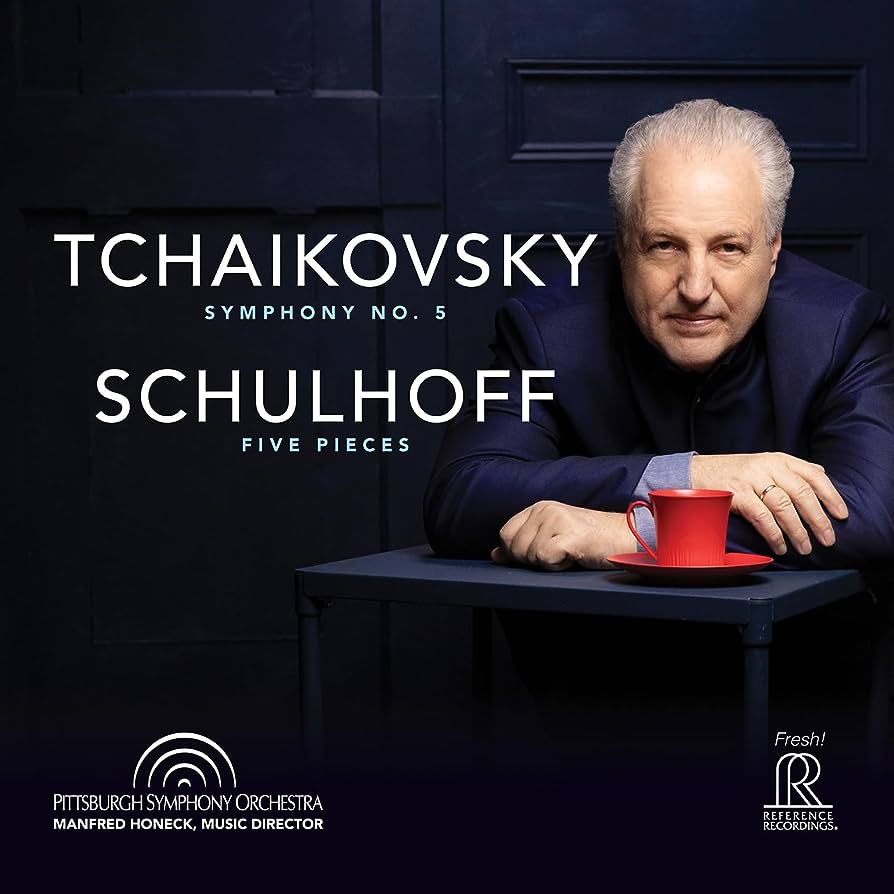
TCHAIKOVSKY SYMPHONY NO. 5 – SCHULHOFF FIVE PIECES

TCHAIKOVSKY SYMPHONY NO. 5 – SCHULHOFF FIVE PIECES

A Captivating Rendition of Tchaikovsky’s Symphony No. 5

Richard Philipps, October 2023

The longstanding partnership between the Pittsburgh Symphony Orchestra and conductor Manfred Honeck continues to bear remarkable fruit, as evidenced by their latest release, Tchaikovsky’s Symphony No. 5. This particular album, the third featuring Tchaikovsky compositions, stands out as a shining jewel in their discography and is arguably one of the most exceptional performances of Symphony No. 5 to date.

Honeck’s approach to conducting is unabashedly romantic and deeply subjective, channeling an operatic intensity that breathes new life into Tchaikovsky’s masterpiece. One of the most striking aspects of this performance is the orchestral balance and control. The Pittsburgh Symphony Orchestra demonstrates mastery over dynamics, seamlessly transitioning between gentle harmonic underpinnings and thunderous climaxes. The brass section, in particular, shines with a rich and evocative timbre, oscillating between tender nuances and formidable power reminiscent of legendary orchestras led by luminaries like Mravinsky and Svetlanov.

Strings, often the heart of Tchaikovsky’s music, unfold with a lush and passionate lyricism, interwoven with remarkable articulation. Woodwinds, too, play a pivotal role, engaging in poignant dialogues with the strings, especially evident in the second movement. These interactions exude a sense of emotional depth that adds another layer to the overall narrative of the symphony.

Having previously recorded the fifth symphony over a decade ago, this seasoned partnership now showcases an unparalleled synergy and mutual understanding. The growth and maturity of their collaboration become palpable as the Pittsburgh Symphony Orchestra brings to life Honeck’s vision with an unparalleled finesse. Gone are the occasional moments of disconnection and uncertainty from their earlier recording; in their place stands an orchestra that navigates the score with astonishing precision and emotional depth.

A standout moment on the album is the opening of the second movement, where the orchestra sets the stage for the solo horn. Principal horn William Caballero’s rendition is nothing short of breathtaking, delivering the haunting melody with a tenderness and velvety tone that pierces the heart. Credit must be given to Reference Recordings for providing detailed liner notes that list the orchestral roster, underscoring the collective effort behind this stunning recording. The Pittsburgh Symphony Orchestra and Manfred Honeck’s latest interpretation of Tchaikovsky’s Symphony No. 5 is a true triumph. With the evolution of their collaboration evident in every note, the orchestra’s remarkable clarity, emotional resonance, and impeccable musicianship come together to create a rendition that will undoubtedly find its place among the finest performances of this iconic symphony. This album stands as a testament to the enduring power of musical partnerships and the inexhaustible beauty of Tchaikovsky’s music.

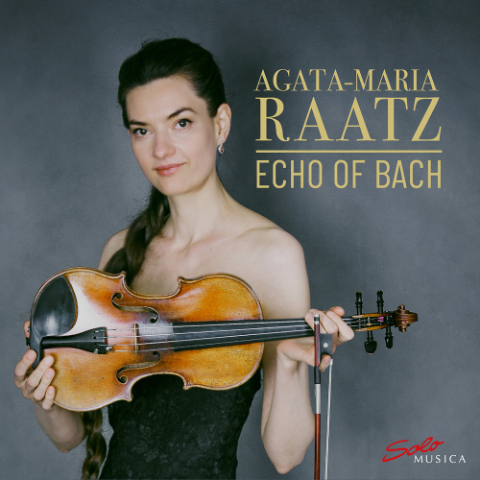
ECHO OF BACH – AGATA-MARIA RAATZ

ECHO OF BACH – AGATA-MARIA RAATZ

Resonating Through Time: “Echo of Bach” by Agata-Maria Raatz

Sarah Dunlop, August 2023

“Echo of Bach” pays homage to the genius of Johann Sebastian Bach while also exploring the creative evolution of violin music through time. Agata-Maria Raatz, a remarkable violinist, takes listeners on a profound voyage with her expressive playing and thoughtful interpretations.

At the heart of the CD lies Bach’s second Partita, which serves as a centerpiece for the album’s exploration. Raatz’s approach to the Allemanda is both serene and meticulous, unraveling its intricate melodies like a finely crafted narrative. Each note is carefully placed, allowing the movement to unfold organically, capturing the listener’s attention from the very beginning.

The Sarabanda, presented as the third movement, receives similar treatment, with Raatz’s detailed interpretation bringing out its emotional depth. The Corrente, which intervenes between the Sarabanda and the Giga, adds a lively contrast, though not without the risk of occasional detours. Raatz, however, manages to navigate these challenges, showcasing her skillful artistry.

In the Giga, Raatz’s brisk approach is complemented by a balanced presentation of her ideas. The movement’s energy is harnessed and channeled, resulting in a performance that is both engaging and technically precise. Yet, it is the grand finale, the Ciaconna, that truly stands as the scale-setting movement. Raatz’s interpretation is fluid and relaxed, and while some nuances may spark different musical ideas, her overarching vision holds the listener’s attention throughout the piece.

Prior to delving into Bach’s world, Raatz pays tribute to Johann Paul Westhoff, a lesser-known composer who likely influenced Bach’s own solo violin compositions. The exploration extends to the modern era with Ysaye’s second sonata, effectively rounding out the Bach-centric framework. Raatz’s performances of these works showcase her exceptional proficiency as a violinist, both musically and technically.

The album also features contemporary compositions, offering a refreshing perspective. “Cette âme a six ailes tout comme les Séraphins” by Xavier Dayer provides a modern echo of Bach’s Ciaconna, highlighting the timeless nature of Bach’s music. Additionally, Raatz, under the pseudonym Clara Jaz, introduces modern expressions intertwined with traditional techniques, showcasing her versatility and artistic exploration.

Raatz’s choice of the Jean-Baptiste Vuillaume violin enhances the entire experience, with its technical brilliance and rich tonal palette. The violin becomes an extension of Raatz’s musicality, allowing her to convey not only technical mastery but also a profound creative spirit.

“Echo of Bach” is an enriching and immersive album that takes listeners on a captivating journey through time, masterfully guided by Agata-Maria Raatz’s interpretive finesse and artistic innovation. With each track, Raatz invites us to witness the evolution of violin music, connecting the past, present, and future in a harmonious musical tapestry.

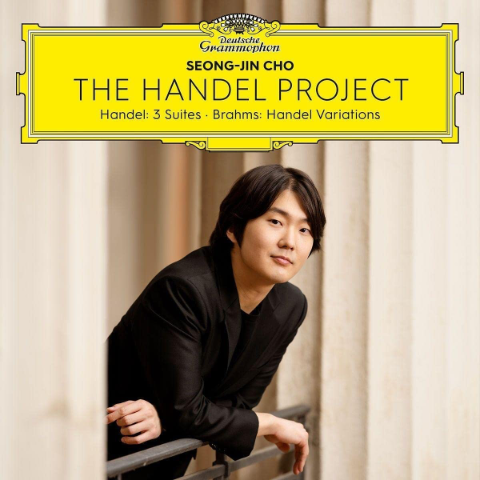
THE HANDEL PROJECT – SEONG-JIN CHO

THE HANDEL PROJECT – SEONG-JIN CHO

“The Handel Project” by Seong-Jin Cho: A Harmonious Fusion of Baroque and Romantic Masterpieces

Richard Phillips, March 2023

Upon first sight, you might question the presence of yet another CD bearing the word “project” in its title, and the fusion of Handel suites with Brahms’ Handel Variations might not immediately strike you as revolutionary. However, Seong-Jin Cho’s artistry on “The Handel Project” manages to captivate and enchant listeners with his songful pianism and insightful interpretations.

Released under the esteemed Deutsche Grammophon label, this album presents an intriguing combination of Handel suites and Brahms’ Handel Variations, resulting in a harmonious musical journey that captivates from start to finish.

The album commences with Handel’s Suites No. 2 in F major, No. 5 in E major, and No. 8 in F minor, each interpreted with Cho’s signature finesse and artistry. The F minor Suite Prélude immediately draws the listener in with its striking dotted rhythms, setting the stage for an expressive and emotionally charged musical experience. Cho’s brilliant command of the keyboard and nuanced playing breathe life into Handel’s timeless compositions, immersing the audience in a world of Baroque splendor.

Brahms’ Variations and Fugue on a Theme by Handel Op. 24 serves as a captivating contrast to the preceding Handel suites. Cho’s interpretation of the opening theme (the Aria from Handel’s B-flat major Suite HWV 434) is refreshingly energetic and vibrant, reflecting his individual approach to this beloved work. Throughout the variations, Cho skillfully navigates the intricate musical terrain, unraveling Brahms’ rich textures with remarkable clarity. His thoughtful phrasing and expressive subtleties add a touch of romantic allure to the variations, revealing the pianist’s deep connection to the music.

In the Handel/Kempff Minuet, Cho’s elegant rendition stands out, providing a tasteful departure from previous interpretations of the piece. His refined interpretation showcases a delicate interplay of melody and harmony, drawing the listener into the heart of the music.

DG’s impeccable recording quality further enhances the listening experience, capturing every nuance of Cho’s dynamic performances. The accompanying booklet offers valuable insights through an interview with the pianist, enriching the listener’s understanding of Cho’s artistic vision and approach to these masterworks.

In conclusion, “The Handel Project” by Seong-Jin Cho is a captivating and cohesive album that beautifully balances Baroque and Romantic elements. Cho’s technical brilliance and emotional depth infuse these timeless compositions with new life, creating an unforgettable musical journey for all who embark on it. Whether you are a devoted fan of Handel and Brahms or simply seeking an immersive and enlightening listening experience, “The Handel Project” is a must-have addition to your classical music collection. Seong-Jin Cho’s artistry will leave you in awe and longing for more from this exceptional pianist.

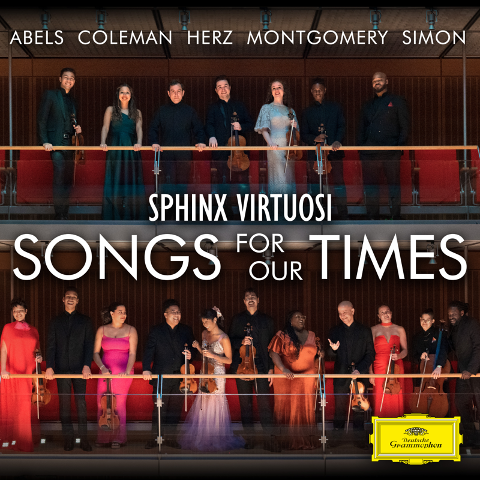
SONGS FOR OUR TIMES – SPHINX VIRTUOSI

SONGS FOR OUR TIMES – SPHINX VIRTUOSI

Songs For Our Times” – Sphinx Virtuosi: A Symphonic Portrait of Resilience and Reflection

Barbara Clark, July 2023

The Sphinx Virtuosi string orchestra delivers a compelling and thought-provoking musical experience in their album “Songs For Our Times.” Breaking away from traditional orchestral norms, this ensemble of 18 African American and Latino musicians performs without a conductor, infusing their music with a unique blend of cultural heritage and artistic expression. The album serves as a powerful platform to amplify voices that have often been underrepresented in the classical concert repertoire.

The program’s standout feature is the inclusion of world premiere recordings of two remarkable compositions: Valerie Coleman’s “Tracing Visions” and Jessie Montgomery’s “Divided,” both specifically crafted for the Sphinx Virtuosi. The opening track, “Global Warming” by Pulitzer Prize winner Michael Abels, sets the tone for the album with its emotive melodies and evocative orchestration. Venezuelan composer Aldemaro Romero’s “Fuga con Pajarillo” follows, drawing inspiration from the vibrant Pajarillo dance and showcasing the orchestra’s prowess in capturing diverse musical colors.

Valerie Coleman’s “Tracing Visions” is a two-movement masterpiece that delves into the complexities of societal issues. The first movement, “Till,” is a poignant reflection on the lives lost due to racism and violence, including the tragic stories of Emmett Till, Ruby Bridges, and the Uvalde Massacre victims. The somber and dramatic atmosphere is palpable, a testament to the composer’s ability to convey deep emotions through her composition. The movement transitions seamlessly into “Amandla!,” a dance-like celebration of resilience and strength, buoyed by the Zulu word’s spirit.

“Between Worlds” by Carlos Simon is a virtuosic showcase for solo violin, paying tribute to the artist Bill Traylor and exploring themes of folklore, race, and religion. The composition weaves intricate musical narratives, showcasing the violin’s expressive capabilities while honoring Traylor’s legacy.

Florence Price’s “Andante cantabile” from String Quartet No. 2 offers a moment of introspection and serenity, highlighting the orchestra’s ability to evoke a range of emotions. This performance captures the essence of Price’s composition, preserving its beauty and depth.

The heart of the album, “Divided” by Jessie Montgomery, is a response to the overwhelming sense of helplessness in a world marked by crises. The orchestra’s performance encapsulates this sentiment, moving between moments of lament and urgency. The agitated orchestral outbursts mirror the tumultuous nature of the world, resulting in a powerful musical statement.

Ricardo Herz’s “Sísifo na Cidade Grande” continues the exploration of societal struggles, drawing parallels to the mythological plight of Sisyphus. The orchestra navigates the intricate rhythms with precision, conveying the futility and determination in Herz’s composition.

The album concludes with a spirited rendition of the finale from Beethoven’s Violin Sonata No. 9, arranged by Venezuelan violinist Rubén Rengel. The performance captures the essence of Beethoven’s contrasting dynamics, from the virtuosic tarantella to the introspective interludes.

“Songs For Our Times” is a compelling journey through music that reflects the complex tapestry of human experiences. The Sphinx Virtuosi’s commitment to diversity, innovation, and emotional resonance is evident in every note, making this album a significant contribution to the classical music landscape. Through their impassioned performances, the ensemble invites listeners to contemplate the pressing issues of our times and find solace, strength, and hope in the power of music.

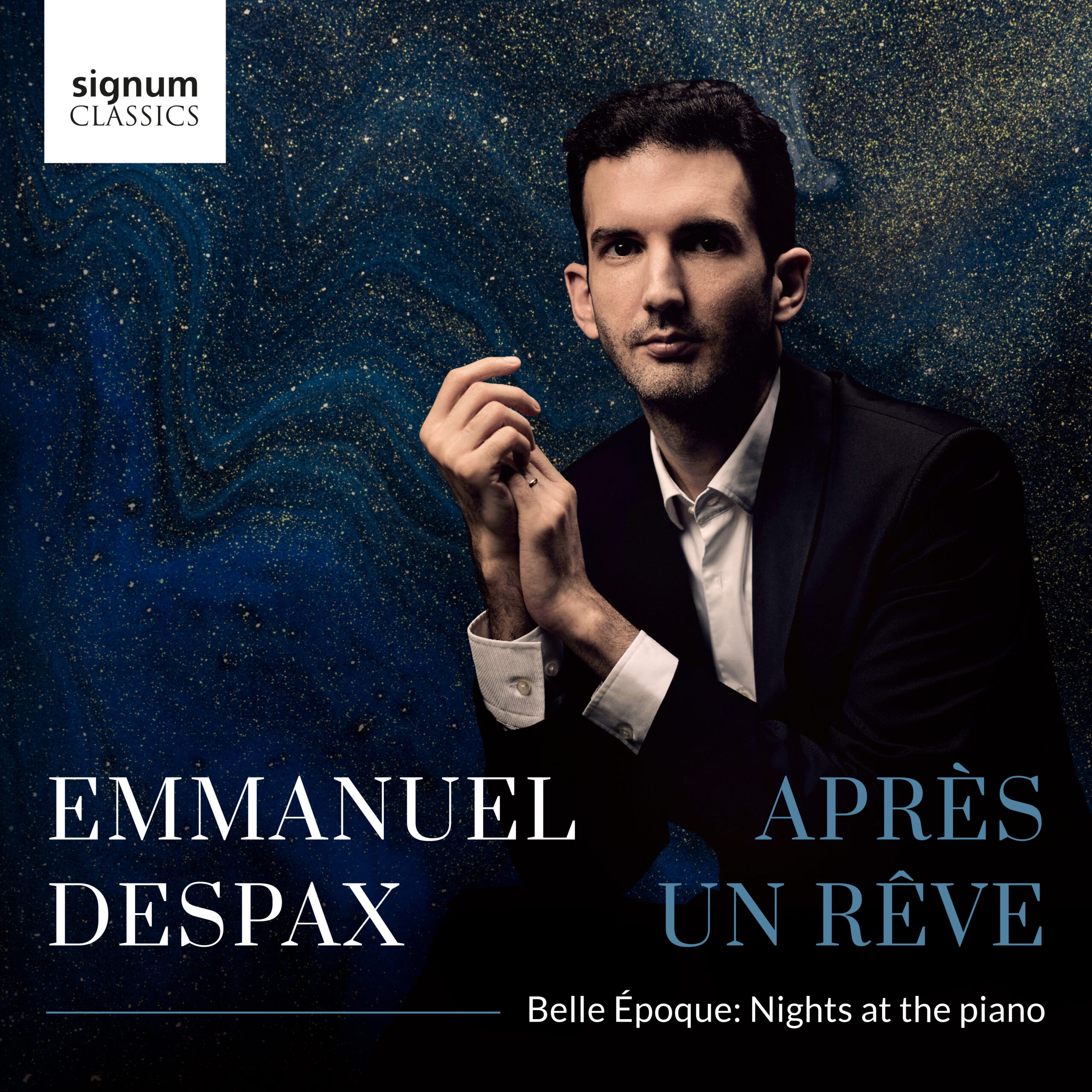
APRÈS UN RÊVE – EMMANUEL DESPAX

APRÈS UN RÊVE – EMMANUEL DESPAX

“Harmonious Enchantments: Emmanuel Despax’s Mesmerizing New Disc and Wigmore Concert”

Sarah Dunlop, June 2023

Emmanuel Despax, the remarkable pianist, continues to leave a lasting impression with his latest release on Signum Classics, titled “Après une rêve.” This album showcases Despax’s exceptional talent and versatility, following his notable performances of Chopin Piano Concertos in chamber versions, the captivating Bach transcriptions in “Spira, Sprea,” and the delightful “Sound of Music Fantasy,” which reveals his own creative brilliance.

The disc opens with Despax’s masterful arrangement of Fauré’s iconic song “Après un Rêve” (After a Dream, Op. 7/1). The pianist’s skillful use of different registers enhances the beauty of the melody, making this rendition a true gem that sets the tone for the entire album.

During a lunchtime recital at Wigmore on July 1, 2023, Despax ingeniously placed Fauré’s piece between Poulenc and Ravel as a refreshing musical sorbet. This strategic placement allowed listeners to appreciate the excellence of Despax’s transcriptions with a fresh perspective.

Poulenc’s “Les Soirées de Nazelles” (1930-36), a rarely heard and underappreciated piece, receives a sophisticated reading from Despax. The set of character portraits of Poulenc’s friends follows a symmetrical structure, framed by two cadenzas (“Largo” and “Très large et très librement”), balanced by a “Prèambule” and “Final.” Despax’s impeccable performance breathes life into the music, surpassing previous renditions.

In a brief yet breathtaking interlude, Despax treats the audience to Debussy’s “Clair de lune” from Suite bergamasque, exhibiting a natural and impressive affinity for Debussy’s artistry.

The Liszt arrangement (extended by Horowitz) of Saint-Saëns’ “Danse macabre” proves to be an intensely pianistic delight, fully realized by Despax’s virtuosic touch and perfectly paced delivery. The piece’s transformation is astonishing, highlighting the pianist’s ability to capture its unique essence.

Cécile Chaminade’s “Nocturne, Op. 165,” a poignant salon piece, exudes an exquisite fragrance, serving as a fitting prelude to Ravel’s opulent masterpiece, “Gaspard de la nuit.” In both the recording and live performance at Wigmore Hall, Despax’s masterful pedaling enriches Ravel’s intricate textures, creating a captivating dream-like atmosphere.

The central movement, “Le Gibet,” holds listeners transfixed, while the final movement, “Scarbo,” brilliantly balances lyricism and virtuosity, with rapid repeated notes generating an electrifying energy.

As an encore, Despax performs Henri Duparc’s “Aux étoiles,” dedicated to his grandfather, Jacques. This piece concludes the album with a poignant and balanced touch, beautifully complementing the opening Fauré/Despax arrangement.

“Après une rêve” is a treasure trove of musicality, skillfully crafted by the extraordinary Emmanuel Despax. With his remarkable artistry, he takes us on a captivating journey through an enchanting world of harmonies and dreams.

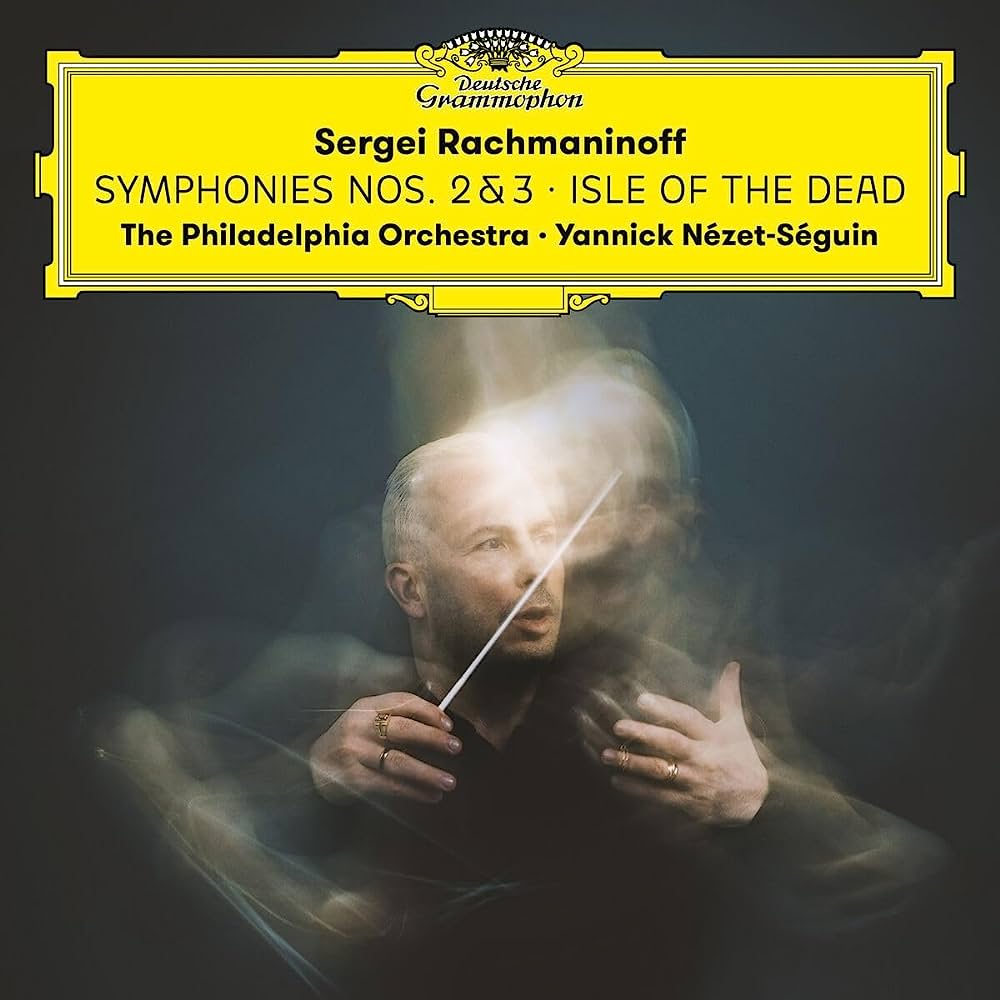
RACHMANINOFF SYMPHONIES NOS. 2&3 · ISLE OF THE DEAD – YANNICK NÉZET-SÉGUIN

RACHMANINOFF SYMPHONIES NOS. 2&3 · ISLE OF THE DEAD – YANNICK NÉZET-SÉGUIN

“Symphonic Brilliance: The Captivating Rachmaninoff Symphony Cycle by Philadelphia Orchestra, Yannick Nézet-Séguin”

Mark Jordan, June 2023

If you’re into classical music, this album is a must-listen! The Philadelphia Orchestra, led by Yannick Nézet-Séguin, knocks it out of the park with their Rachmaninoff Symphony Cycle. This is the follow-up to their previous release in 2021, and boy, it doesn’t disappoint.

The second symphony is an absolute showstopper. Nézet-Séguin’s approach is nothing short of mesmerizing, as he infuses the performance with a fervently romantic spirit. The orchestra’s strings evoke an incredible richness, and their passionate playing resonates with deep emotions. The Allegro moderato unfolds at a deliberate pace, allowing the inner details of the music to shine through. Nézet-Séguin’s decision to skip a part might raise eyebrows, but with such a beautiful rendition, who could complain?

The highlight of the album, without a doubt, is the third movement. The opening clarinet solo, delivered with heart-wrenching beauty by Ricardo Morales (presumably the orchestra’s principal clarinet), captures the listeners’ hearts and never lets go. Nézet-Séguin’s artful phrasing enhances the orchestra’s burnished lyricism, creating an enchanting experience that feels utterly captivating. This is one of those rare performances that make you feel as though the music couldn’t be played any other way.

Moving on to the third symphony, Nézet-Séguin effortlessly navigates the music’s leaner orchestration and sparser style. The orchestra excels in showcasing moments of soaring melody, and the shifting dynamics from Adagio to Scherzo are handled with remarkable skill and balance. Throughout the album, the Philadelphia Orchestra’s musicians display a level of proficiency and emotional connection that is truly commendable.

‘The Isle of the Dead’ serves as a fitting conclusion to this remarkable cycle. Once again, Nézet-Séguin’s deep emotional connection to the music is evident, and the orchestra’s performance is marked by a consistent quality of sound and flexible phrasing. The atmospheric and emotionally charged rendition of this piece makes it one of the standout tracks on the album.

While drawing comparisons to legendary recordings by Ormandy and Rachmaninoff himself is inevitable, Nézet-Séguin and the Philadelphia Orchestra manage to carve their own path with a fresh perspective and modern sensibility. This Rachmaninoff Symphony Cycle is a testament to the orchestra’s prowess and dedication, making it a must-listen for classical music enthusiasts and newcomers alike.

The Rachmaninoff Symphony Cycle by the Philadelphia Orchestra, led by Yannick Nézet-Séguin, is a triumph. With masterful performances, meticulous engineering, and a profound emotional connection to the music, this album is a true gem. Yannick Nézet-Séguin and the Philadelphia Orchestra nailed it with this Rachmaninoff Symphony Cycle. If you’re a fan of classical music, don’t miss out on this one. It’s a top-notch performance that’ll leave you wanting more.

FORBIDDEN FRUIT – BENJAMIN APPL

FORBIDDEN FRUIT – BENJAMIN APPL

“Seductive Charms and Musical Fantasies: Exploring Benjamin Appl’s ‘Forbidden Fruit'”

Don Roberts, June 2023

Benjamin Appl’s latest album, titled ‘Forbidden Fruit,’ promises a captivating musical journey with a twist. But hang on, there’s a catch—you might need a guidebook to navigate this adventurous experience! In the accompanying booklet, Appl himself cleverly explains that the album’s central theme weaves between “temptation and fall, prohibition and disobedience, good and evil.” Sounds intriguing, right? So, let’s dive in!

But here’s the thing: the musical content is just as fascinating as the theme itself. Appl skillfully blends lieder, songs, and melodies, taking us on a whirlwind tour through various musical landscapes—a mix of Liederabend, Parisian salon, London music hall, and Berlin cabaret. We find ourselves transported across different eras and styles, creating a musical kaleidoscope that sparks curiosity.

Now, if you’re feeling a bit bewildered by the genre-hopping, fear not! Just focus on individual pieces, like a treasure hunt. Appl’s performances are full of surprises and hidden gems.

When it comes to the lieder, Appl’s voice shines with profound gravity and delicate finesse. Three Hugo Wolf lieder enchant with intimacy, revealing his clear baritone voice and a knack for navigating mixed voice with ease. Fanny Hensel’s “Die Nonne” is a tender confession, and we can’t help but be drawn in by the emotion in his delivery.

Then, there’s Schubert—a musical fiesta among friends! “Heldenrösslein” is a carefree, youthful romp, while “Gretchen am Spinnrade” is a whisper-soft portrayal that suddenly bursts with emotion at just the right moment.

Oh, but wait—Schumann’s “Lorelei” is absolutely seductive, and you can’t help but fall under its spell. And don’t miss his captivating storytelling in Eichendordff and Schumann’s “Frühlingsfahrt”—it’s like being caught in a musical whirlwind!

Before we get too caught up in the allure, let’s explore the French repertoire. Appl’s got it all under control, showing off his timbre, pride, masculinity, and flawless diction in pieces like Reynaldo Hahn’s “À Chloris” and Debussy’s “La Chevelure.”

Feeling a little mischievous? Poulenc’s pieces have got you covered! Appl’s spirited approach to “Couplets bachiques,” “Offrande,” and “Serpent” is downright cheeky and delightful.

But hang on tight! We’ll find ourselves in a music hall, where Ivor Gurney, Roger Quilter, and Grieg invite us to revel in their fantastical world. It’s a journey of charm and amusement.

Now, as the curtain falls, Appl leaves us with the heartfelt rendition of Mahler’s “Urlicht” from his Second Symphony. It’s a moment of pure emotion, perfectly accompanied by James Baillieu’s tender piano.

So, there you have it—a musical escapade through Benjamin Appl’s ‘Forbidden Fruit.’ This album might seem like a mixed bag at first, but with a bit of exploration, you’ll uncover a treasure trove of musical delights. Allow yourself to be seduced by Appl’s enchanting voice and embrace the surprises that await you. Happy listening!